
Many people think, “my vision is fine, so I do not need a check‑up.” But in truth, many eye problems begin with no pain, no blurry vision, and no obvious warning. A comprehensive eye exam is more than just reading an eye chart, it is a preventive health habit that plays a key role in vision health, overall health, and quality of life.
This article explains why an early eye examination is so important in the U.S. It will show you why regular eye checks matter, what they include, when and how often you should get them, and who needs them (from children to seniors). It also shows how screenings for kids and adults help with detecting conditions like glaucoma, diabetic retinopathy, cataract, age‑related macular degeneration, amblyopia, myopia, hyperopia, astigmatism, strabismus, and other eye health issues.
You’ll learn how a dilated eye exam, intraocular pressure test, and retina health check can detect hidden disease long before you notice any symptoms. You’ll see how eye exams also act as a window into systemic health, such as diabetes mellitus, high blood pressure, and high cholesterol. You’ll learn about the roles of an optometrist, an ophthalmologist, and the difference between vision screening and a full exam.
At the end of this article, you will understand how early detection protects your vision, improves school and work performance, supports independence for seniors, and reduces healthcare costs. Once you see how significant the benefits are, you’ll be ready to make eye exams a regular part of life, get ahead of vision loss, and preserve clear sight for yourself and your family.
1. Why Early Eye Examinations Matter
Early eye examinations are very important for keeping your eyes healthy and spotting hidden problems. Let’s look at three big reasons why.
1.1 Hidden Nature of Many Eye Diseases
Many eye conditions begin without any warning signs, such as pain or blurry vision. According to the Centers for Disease Control and Prevention (CDC), “eye diseases are common and can go unnoticed for a long time.” A dilated eye exam is often the only way to find certain diseases (for example, Glaucoma, Diabetic Retinopathy, or Age‑related Macular Degeneration) early. When these diseases are caught sooner, treatment works better.
1.2 Protecting Vision & Quality of Life
Your eyes affect your daily life, your school work, job, hobbies, and independence in older age. Untreated conditions like cataract, glaucoma, or diabetic eye disease can lead to vision loss or even blindness. Finding them early means you have a better chance to keep your sight and maintaining quality of life. The CDC stresses that a dilated eye exam, “when treatment is most effective,” will help protect your vision.
1.3 Eye Exams as a Window to Overall Health
A comprehensive eye exam doesn’t just check your vision, it can also detect signs of other health issues. For example, eye doctors may spot signs of Diabetes Mellitus, High Blood Pressure, or High Cholesterol in your eyes. This means an early eye examination can protect more than just your vision, it can help protect your full health.
2. What does an Early Eye Examination look like
An early eye examination is more than just checking if you can read the eye chart. It is a comprehensive eye exam that looks at your vision and the health of your eyes.
2.1 Components of the Exam
Here are some of the important parts of the exam you might get:
- A review of your medical history (your health, family eye disease, medicines you take).
- A visual acuity test (“Can you read these letters from a distance?”) and a refraction test to see if you need glasses or contacts.
- Measurement of intraocular pressure (pressure inside your eye) to screen for Glaucoma.
- A dilated eye exam (drops to widen your pupils) so the eye doctor can see the back of your eye: the retina, optic nerve, and blood vessels.
- Tests for how your eyes move and work together (binocular vision, alignment) to check for conditions such as strabismus or Amblyopia.
2.2 Age‑ and Risk‑Appropriate Checklists
- Children should have eye examinations early in life, which allows doctors to identify issues like myopia, hyperopia, astigmatism, amblyopia, or strabismus before they impact learning.
- Adults should have a baseline exam and follow the guidance based on age and risk. If you have conditions like Diabetic Retinopathy (from Diabetes Mellitus), high blood pressure, or a family history of glaucoma, you may need exams more often.
- The exam’s content may change slightly based on your age, vision needs (glasses/contact lens wearers), and health status.
2.3 What the Doctor Looks For
During the exam, your eye‑care professional (either an Optometrist or an Ophthalmologist) is looking for:
- Vision problems like myopia, hyperopia, and astigmatism.
- Eye diseases such as glaucoma, cataract, and age‑related macular degeneration.
- Signs of systemic health issues: for example, changes in the retina may suggest high blood pressure, high cholesterol, or diabetes.
- Eye health in children: alignment, binocular vision, vision skills for school.
3. When & How Often Should You Get an Eye Exam
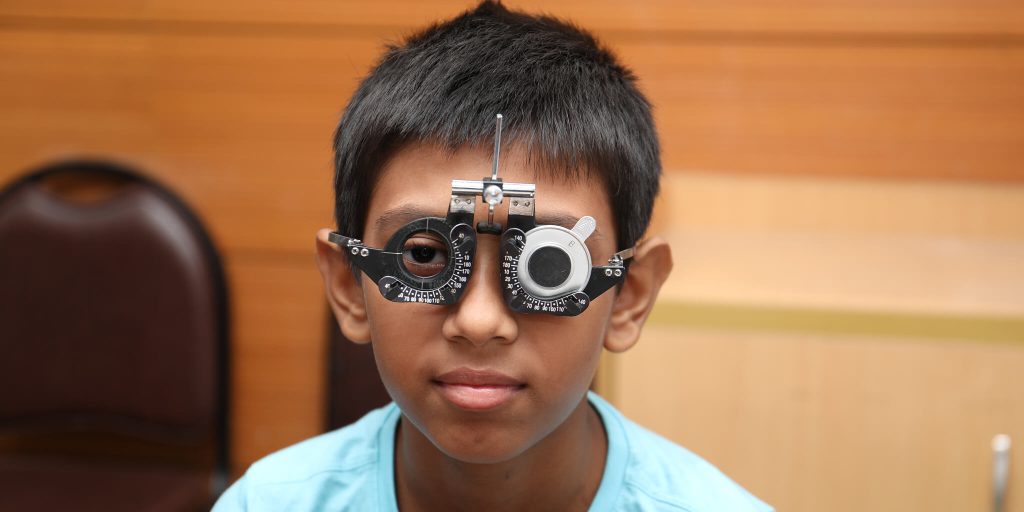
Knowing when and how often to get an early eye examination is key to protecting your vision and overall health. Here are clear guidelines for the U.S., covering children, adults, and special risk groups.
3.1 General U.S. Guidance for Adults
- For adults with no risk factors and no symptoms, the American Academy of Ophthalmology (AAO) recommends a baseline eye exam at age 40.
- After that:
- Ages 40‑54: every 2‑4 years.
- Ages 55‑64: every 1‑3 years.
- Age 65 and older: every 1‑2 years.
- Ages 40‑54: every 2‑4 years.
- The American Optometric Association (AOA) has recommended exams annually for adults ages 18‑64.
3.2 Children & Special Populations
- Children should have at least one comprehensive eye exam between the ages of 3–5 to detect conditions like Amblyopia (lazy eye).
- School‑age children (6‑17) generally should have exams before first grade and then at least every 1‑2 years.
- People with conditions like Diabetic Retinopathy (from Diabetes Mellitus), high blood pressure, family history of eye disease, or certain ethnic risk factors should have more frequent exams. For example:
- Type 1 diabetes: first exam 5 years after onset, then yearly.
- Type 2 diabetes: exam at diagnosis, then yearly.
- Type 1 diabetes: first exam 5 years after onset, then yearly.
3.3 Factors That Affect How Often You Should Be Checked
Here are some risk factors that might mean you need eye exams more often:
- Family history of glaucoma, cataract, or age‑related macular degeneration.
- Having diabetes, high blood pressure, and high cholesterol.
- Being over age 65.
- Wearing contact lenses or having had eye surgery.
- Belonging to a high‑risk ethnic group for eye disease (for example, African Americans, Hispanics).
4. Benefits of Early Eye Examination
When you get an early eye exam, the advantages go well beyond simply checking if you need eyeglasses. These benefits span vision protection, overall health, academic/work performance, and cost savings.
4.1 Protecting Vision & Quality of Life
Routine and early exams help catch issues like Glaucoma, Diabetic Retinopathy, Cataract, Age‑related Macular Degeneration, and Amblyopia early when treatment is most effective. For example, the Centers for Disease Control and Prevention (CDC) states that many eye diseases go unnoticed for long periods and that a comprehensive dilated eye exam is one of the best ways to prevent vision loss.
When you maintain good vision, you can continue reading, working, driving, and enjoying hobbies, which supports your independence, especially as you grow older.
4.2 Early Detection of Systemic Health Problems
An early eye exam doesn’t just check your vision, it can also reveal clues to your overall health. For instance, your eye doctor might detect signs of Diabetes Mellitus, High Blood Pressure, High Cholesterol, or even early warning signs of other conditions. According to a source, eye exams often detect over 270 health conditions in the U.S. context. By catching these early, you have a better chance at treatment and preventing more serious problems.
4.3 Supporting Children’s Learning & Adult Productivity
For children, early detection of vision problems like myopia, hyperopia, astigmatism, amblyopia, or strabismus means they can see clearly in class, engage with schoolwork, and develop properly. For adults, clear vision and healthy eyes mean fewer distractions, fewer headaches or eye strain, and more productivity at work. Thus, an early eye exam helps all age groups perform better in learning, work, and daily life.
4.4 Cost‑Effectiveness and Less Invasive Treatment
Early detection often means the treatments required are less invasive, less risky, and less expensive. For example, if you spot a cataract early, you may delay surgery, or if glaucoma is caught early, treatment can slow its progression before major damage occurs. Also, eye exams can prevent the need for extensive interventions later, supporting better health economics both for the individual and the healthcare system in the United States.
5. Barriers & How to Overcome Them (U.S.‑Specific)
Even though early eye examinations are important, many people in the U.S. still face barriers that stop them from getting care. Understanding these barriers and how to overcome them helps protect your vision and health.
5.1 Common Barriers in the U.S.
- Cost & insurance coverage: Many Americans delay or avoid visits to the eye‑care provider because of cost or lack of vision benefits. For example, over half (53 %) of people who hadn’t seen an eye doctor in more than two years cited cost or lack of benefits as a reason.
- Lack of perceived urgency/awareness: A large number feel that if their vision seems fine, there’s no need for an eye exam. In fact, 54% say they delay care because it “doesn’t feel urgent.”
- Access issues – transportation, proximity & provider availability: Some people live far from a specialist or do not have easy transport or appointment access.
- Health literacy and confusion: Many do not know the difference between a simple vision screening and a full comprehensive eye exam, or how eye exams relate to other health issues like diabetes or high blood pressure.
- Socio‑economic and demographic disparities: Low‑income groups, certain racial or ethnic groups, and people in rural areas are less likely to get early eye exams.
5.2 Practical Tips to Overcome These Barriers
- Use vision benefits wisely: If you have vision insurance or a vision plan through work or a health plan, review what it covers. Many people don’t realise how much is included or how to use it.
- Schedule annually or as advised: Don’t wait for symptoms. Book your comprehensive eye exam at the recommended frequency. Making it part of your regular health routine helps overcome the “no urgency” mindset.
- Choose a nearby provider / use tele‑ophthalmology when available: If transport or distance is a problem, look for mobile clinics, tele‑health services or closer optometrists/ophthalmologists.
- Ask questions and increase your awareness: When you visit the eye‑care professional, ask what the exam looks for (e.g., glaucoma, diabetic retinopathy, cataract). Understand how your eyes relate to your overall health.
- Advocate for children and high‑risk groups: If you have children or you belong to a high‑risk group (e.g., family history of glaucoma, diabetes mellitus, high blood pressure), make sure eye exams aren’t skipped. Early intervention (for example, for amblyopia, strabismus, myopia) matters.
- Look for community resources: Especially if cost is a barrier, many communities have low‑cost clinics, school‑based vision programs, or non‑profit outreach that provide exams or connect to care.
6. What To Do After Your Eye Examination
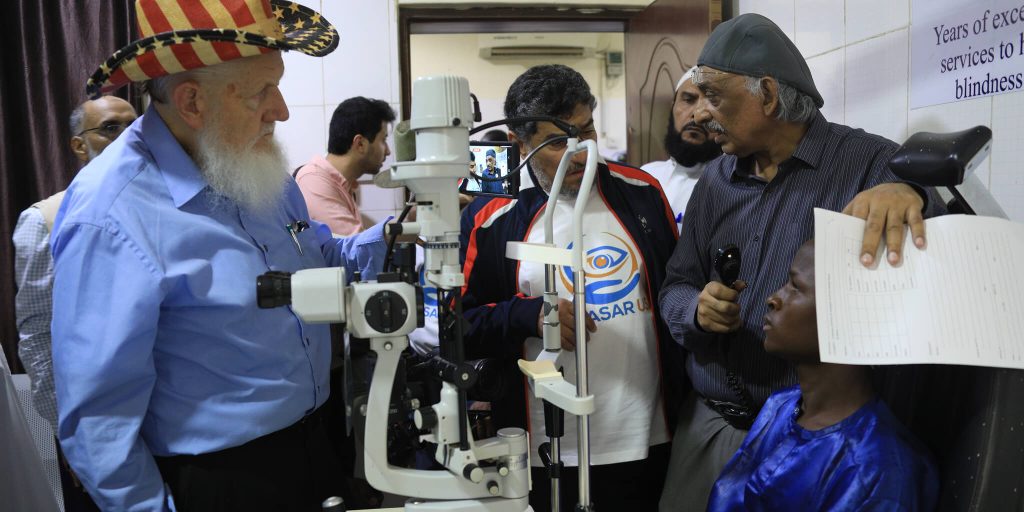
Once you’ve had your eye examination, the work doesn’t quite stop. It’s important to follow through with care so you get the full benefit of the check‑up. Here are clear steps you should take after your exam:
6.1 Review Your Results and Next Steps
After your comprehensive eye exam, your eye‑care provider (either an optometrist or an ophthalmologist) will share what they found and what they recommend for you. According to expert guidance, you should get clear information about any vision correction, eye diseases, and how often you need follow‑up visits.
- If your eyes are healthy and no glasses or contacts are needed, you still need to schedule your next exam and keep up preventive habits.
- If you were prescribed eyeglasses or contact lenses, make sure to fill the prescription and choose lenses/frames that match your needs.
- If you were diagnosed with or referred for a condition like glaucoma, diabetic retinopathy, cataract, or age‑related macular degeneration, you must follow your treatment plan and any referrals.
6.2 Adopt Healthy Eye‑Care Habits
Your appointment sets the stage, but good habits keep the results going. Some simple steps:
- Protect your eyes from UV light by wearing sunglasses that block 100% of UVA/UVB rays, especially after a dilated eye exam when your pupils may still be sensitive.
- If you spend a lot of time on a screen, use the 20‑20‑20 rule: every 20 minutes, look at something 20 feet away for 20 seconds. This helps reduce digital eye strain.
- Maintain a healthy lifestyle: manage your diabetes mellitus, high blood pressure, and high cholesterol because these can impact eye health (for example, via diabetic retinopathy or other diseases).
- Ensure you keep wearing your new glasses or contact lenses if prescribed and follow any patching or vision therapy if the eye exam uncovered issues like amblyopia or strabismus in children.
6.3 Plan and Book Your Next Exam
Your eye exam is not a one‑time event. Your eye‑care professional will tell you when to next return based on your age, risk factors, and findings.
- Even if you feel your vision is fine, you should schedule the next check‑up at the recommended interval (for example, every 1‑2 years for many adults).
- If you have risk factors such as a family history of eye disease, diabetes, or you’re a contact lens wearer, your follow‑up interval may be shorter, and you may need more frequent monitoring.
Conclusion
Getting an early eye examination is one of the best things you can do for your vision and overall health. Here’s a quick wrap‑up:
- Eye diseases such as Glaucoma, Diabetic retinopathy, Cataract, and Age‑related macular degeneration often begin with no clear symptoms.
- A comprehensive eye exam does more than test your sight, it can find hidden issues in your eyes and even give clues about health conditions like Diabetes mellitus, High blood pressure, and High cholesterol.
- Everyone benefits: from children (catching things like Amblyopia, Myopia, Hyperopia, Astigmatism, Strabismus) to adults and seniors.
- Even if your vision feels fine, don’t skip it. About 40% of adults in the U.S. who are at high risk for vision loss did not get an eye exam in the last year.